BIONICS ENVIRO TECH GST NUMBER. 33BKEPS2994G1ZV

We must explain to you how all seds this mistakens idea denouncing pleasures and praising account.
BIONICS ENVIRO TECH GST NUMBER. 33BKEPS2994G1ZV
We must explain to you how all seds this mistakens idea denouncing pleasures and praising account.


Nature of Business

Number of Employees

Year of Establishment
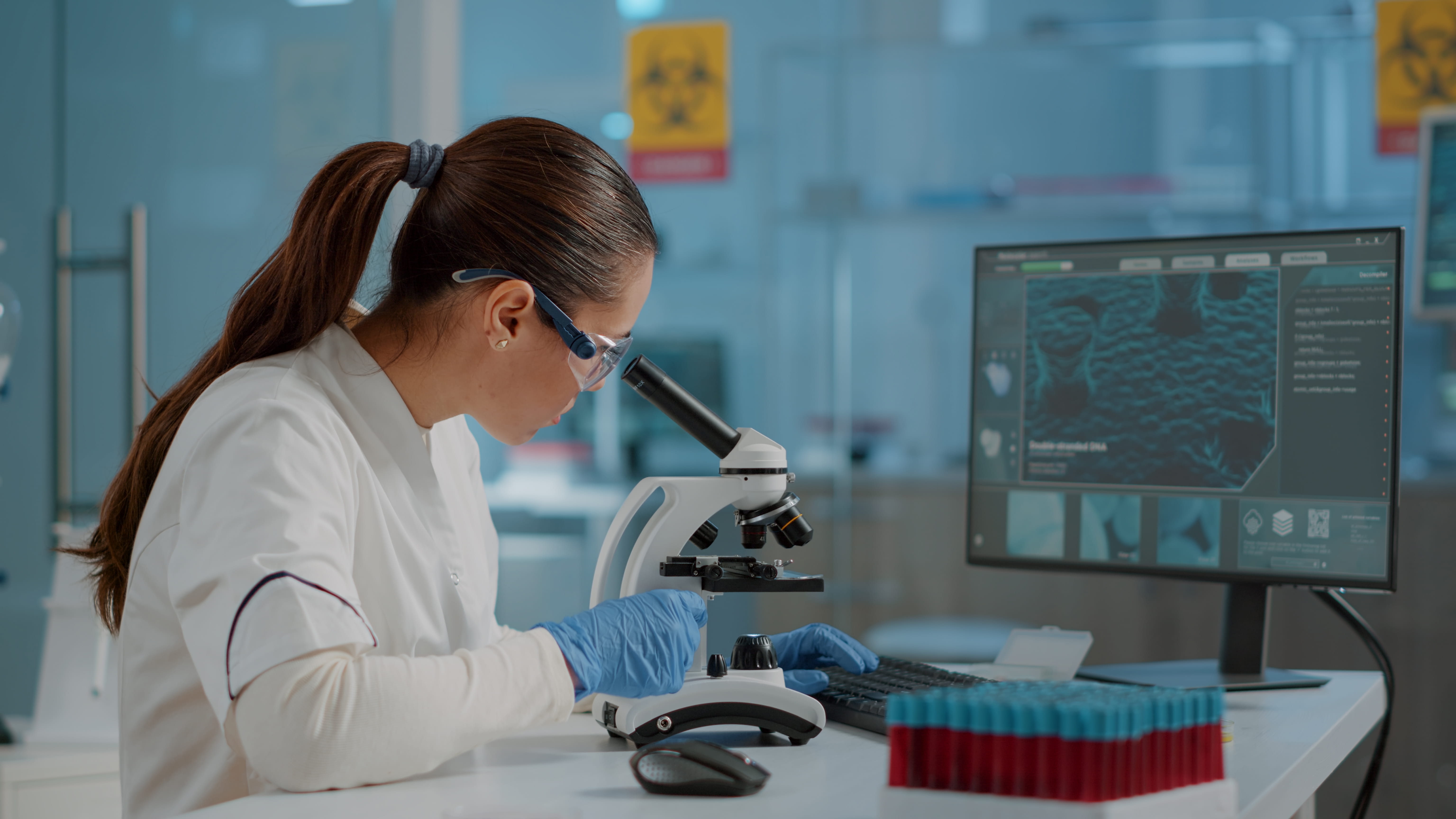
NANOZYME—an advanced formulation of beneficial bacteria for wastewater treatment—consists of multiple strains of aerobic, facultative aerobic, and anaerobic bacteria. These strains are selected based on their compatible symbiotic metabolic pathways for different industrial biocultures for water treatment needs. Our Nanozyme technology is developed using a unique solid-state fermentation (SSF) process, ensuring optimal performance in treating industrial effluents.
Available Form: Organic Semi-Solid Form Number of Bacterial Cultures: 62 Different Bacterial Cultures
Read MoreAvailable Form: Organic Semi-Solid Form Number of Bacterial Cultures: 62 Different Bacterial Cultures
Read MoreAvailable Form: Organic Semi-Solid Form Number of Bacterial Cultures: 62 Different Bacterial Cultures
Read MoreMore About Bionics
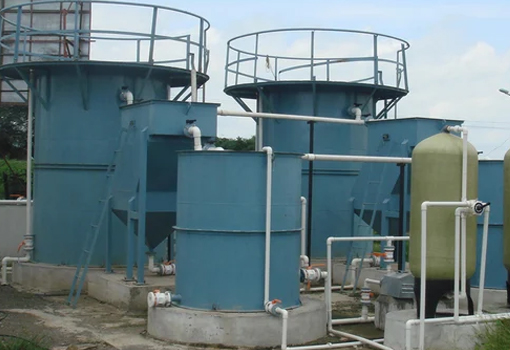
Bionics Enviro Tech is the world’s number one scientific innovative manufacturer and supplier of advanced Nanozyme bioculture for all types of wastewater treatments, offering high-efficiency solutions across various industries around the globe. Our eco-friendly wastewater treatment products are scientifically designed to address challenges related to sewage treatment plants (STPs), effluent treatment plants (ETPs), common sewage treatment plants (CSTPs), common effluent treatment plants (CETPs), and organic solid wastes (MSWs). We specialize in affordable bioculture products for industrial wastewater, ensuring cost-effective and sustainable solutions.
Backed by strong research and development and a passion for innovation, we offer products based on pure nanozyme technology. Our wide range of solutions focuses on reducing Chemical Oxygen Demand (COD) and Biological Oxygen Demand (BOD), colour removal, while implementing a zero-sludge process and minimising pollutant load. Our microbial solutions are designed for anaerobic digesters (AD) of any scale and sector worldwide, maintaining an excellent track record in industrial wastewater treatments.



Years
Of experience in Nanozyme Bioculture






Our flagship solution, Nanozyme Bioculture, is a scientifically recognised and nationally awarded best microbial formulation for wastewater treatment. It is the only bioculture solution in India to receive such recognition, making Nanozyme Bioculture a standout product in the Indian wastewater treatment industry..
🏅ICAR Award—Awarded by the Indian Council of Agricultural Research (ICAR)—2001
🏅UGC-NET Recognition—Honoured by the University Grants Commission (UGC-NET)—June & December 2003
🏅ASRB National Eligibility Test Award
🏅Featured in Times of India—May 28, 2009
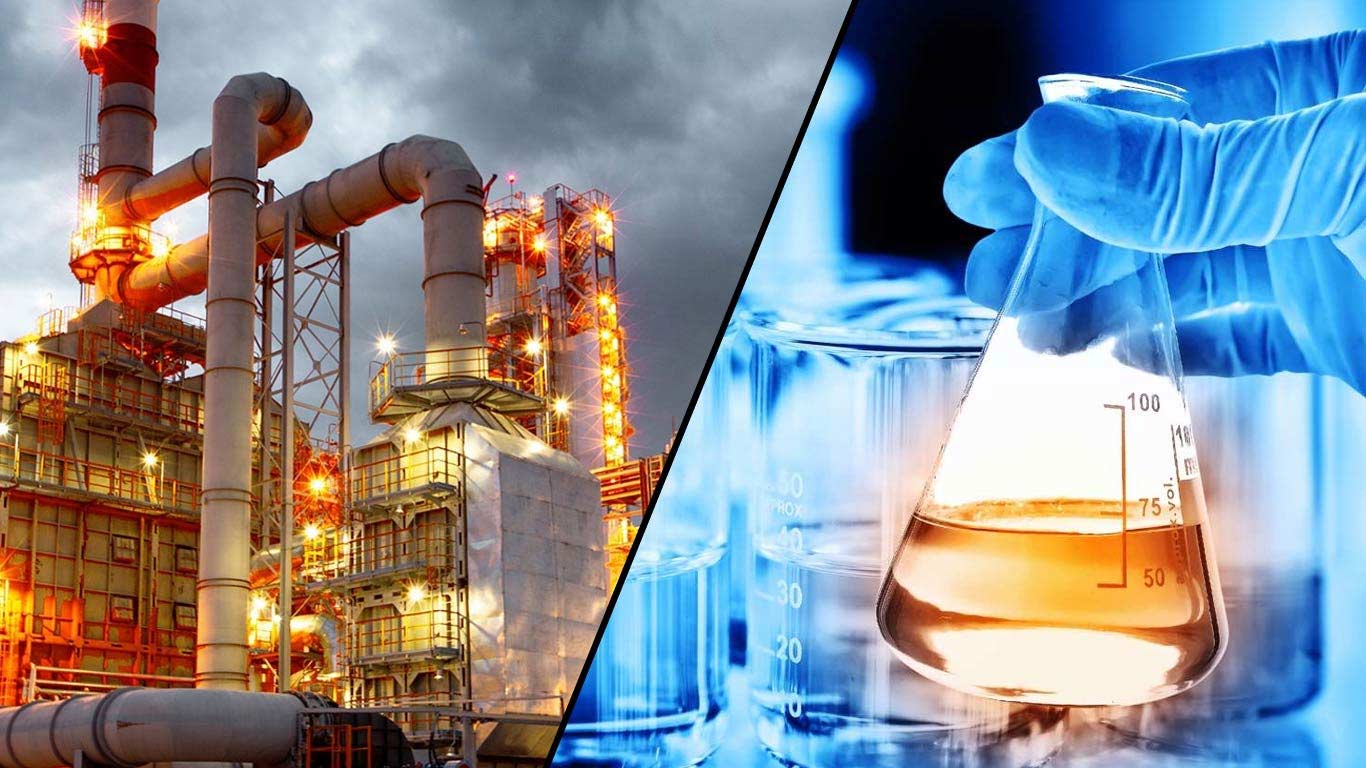
At Bionics Enviro Tech, we understand these unique demands. We’re dedicated to providing advanced bioculture solutions that help chemical manufacturers achieve:
Improved process efficiency: Streamlining reactions and reducing bottlenecks.
Effective waste management: Tackling challenging chemical effluents.
Enhanced safety: Offering biological alternatives to harsh chemicals.
Greater sustainability: Contributing to a greener and more responsible industry.
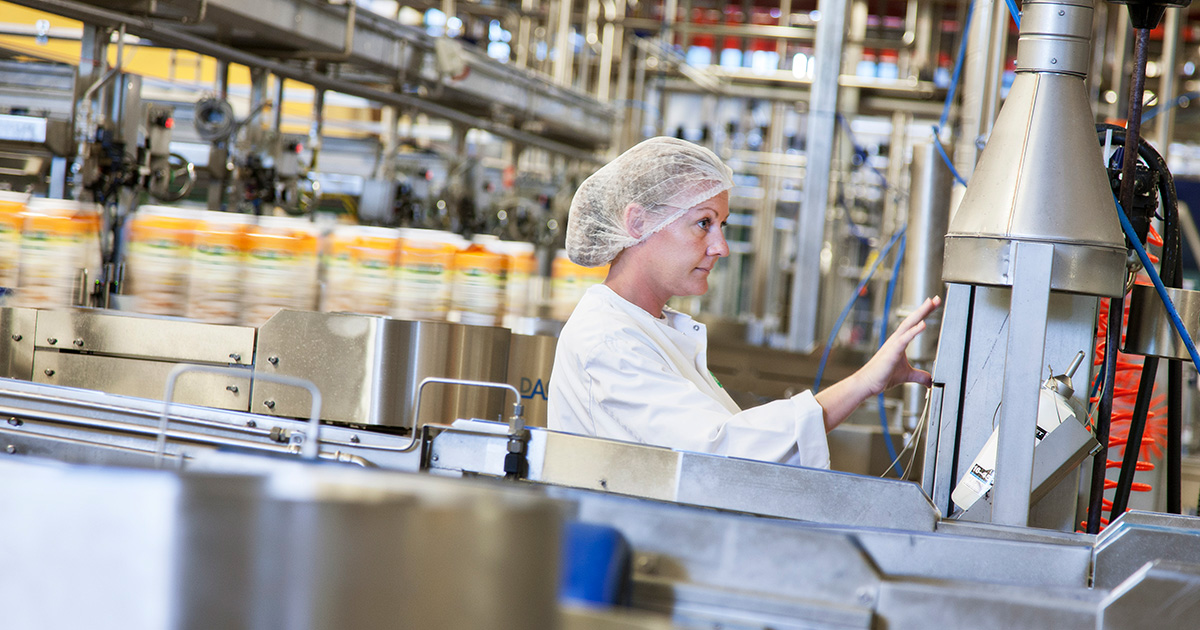
Top 5 best food & dairy industry, 100% Pure, guranted , effluents mostly include milk or milk products lost in the technological cycles (spilled milk, spoiled milk, skimmed milk and curd pieces); starter cultures used in manufacturing; by-products of processing operations (whey, milk and whey permeates); contaminants from the washing of milk trucks, tanks, cans, equipment, bottles and floors; reagents applied in CIP procedures, cooling of milk and milk products, for sanitary needs, in equipment damage or operational problems; and various additives introduced in manufacturing . Milk loss in wastewater is around 0.5–2.5% of processed milk, but it can increase to 3–4%
Read More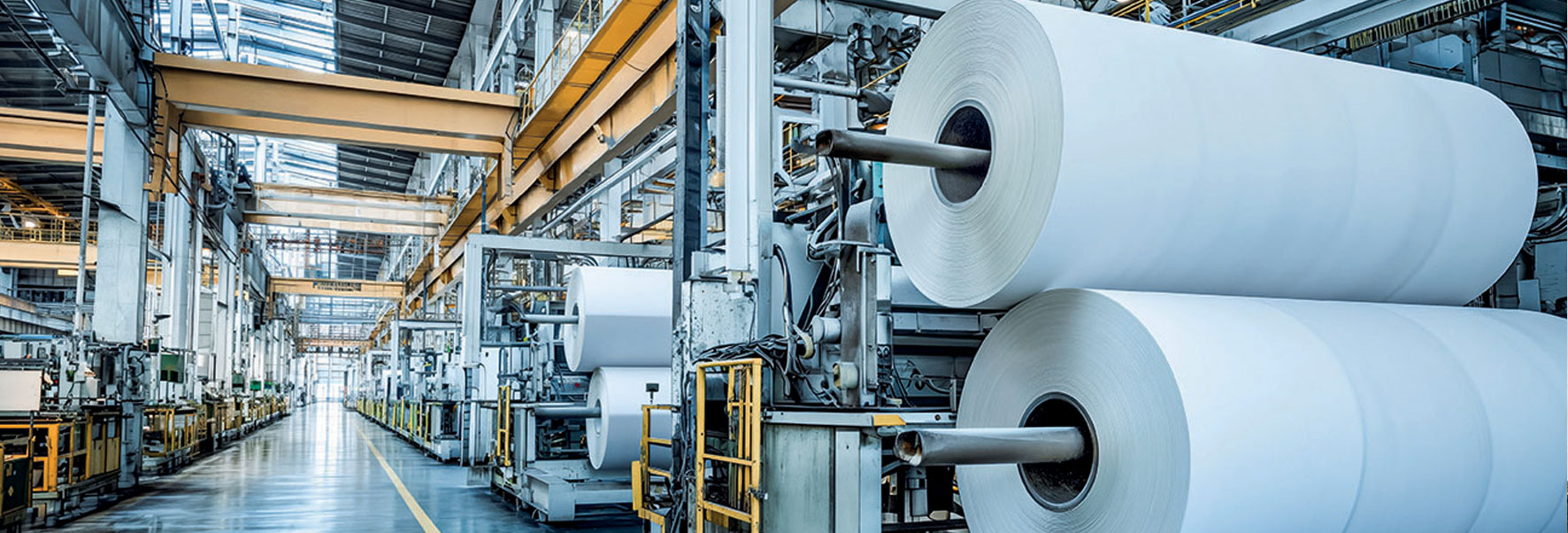
Pulp and paper mill effluent either from thermomechanical pulp mill or chemi-thermomechanical pulp mill is often irrigated to land after primary treatment . Pulp mill effluent has high chemical and biochemical oxygen demand and some wood derived organic compounds, metal(loid)s, fatty and resin acids, and relatively high C:N ratios. Effluent from pulp mills is a rich source of OM, N, P, Ca, Mg, and trace elements and consequently the application of pulp mill effluents on land is becoming a common method for recycling nutrients. The presence of chlorinated organic compounds, most notably chlorine substituted phenolic compounds, chlorinated lignins, dioxins, chlorobenzenes, and non-chlorinated organic compounds, has raised concerns about land application.
View More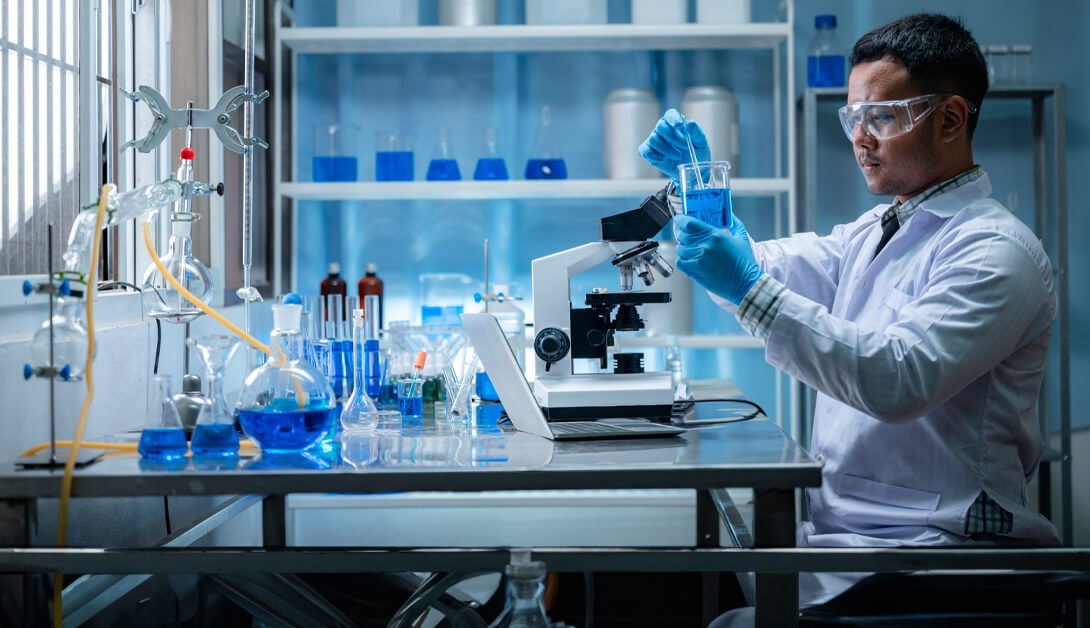
At Bionics Enviro Tech, we understand the unique challenges and opportunities within India’s dynamic pharmaceutical sector. We are dedicated to providing advanced bioculture solutions that help pharmaceutical companies enhance their operational efficiency, ensure product purity, manage waste responsibly, and meet stringent regulatory standards, contributing to a healthier and more sustainable future.
Contamination Control & Product Purity
Yield Optimization & Process Efficiency
Wastewater Management & Environmental Compliance
Sustainable & Green Manufacturing Initiatives
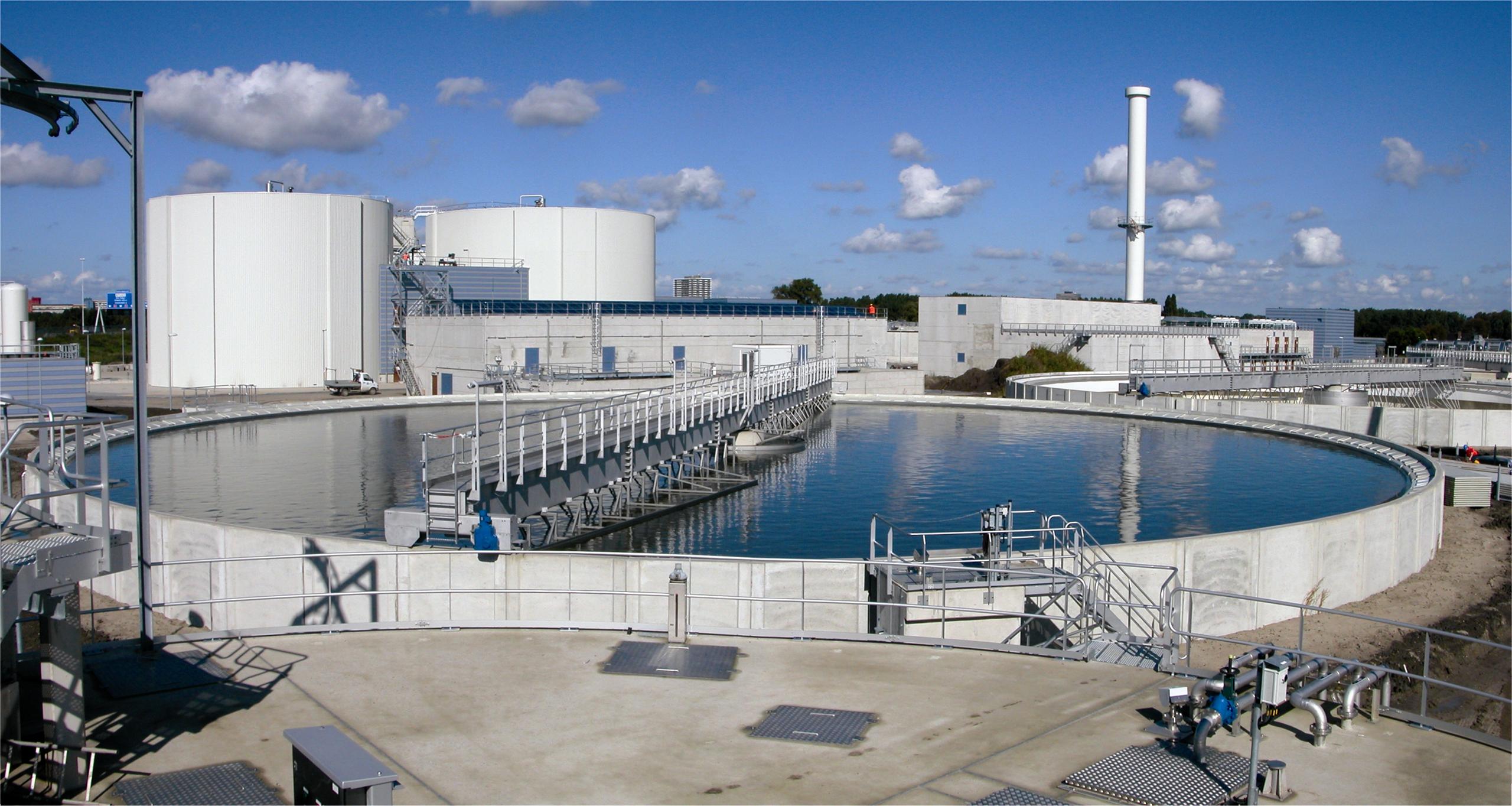
Sewage effluent is defined as treated or untreated wastewater generated from a treatment plant (US EPA 2009). The treated sewage is classified based on its origin in domestic sewage, hospital sewage and industrial wastewaters. Domestic sewage is a complex mixture containing water together with organic and inorganic constituents and large numbers of pathogenic bacteria as well as viruses and parasites (US EPA 2003).
View More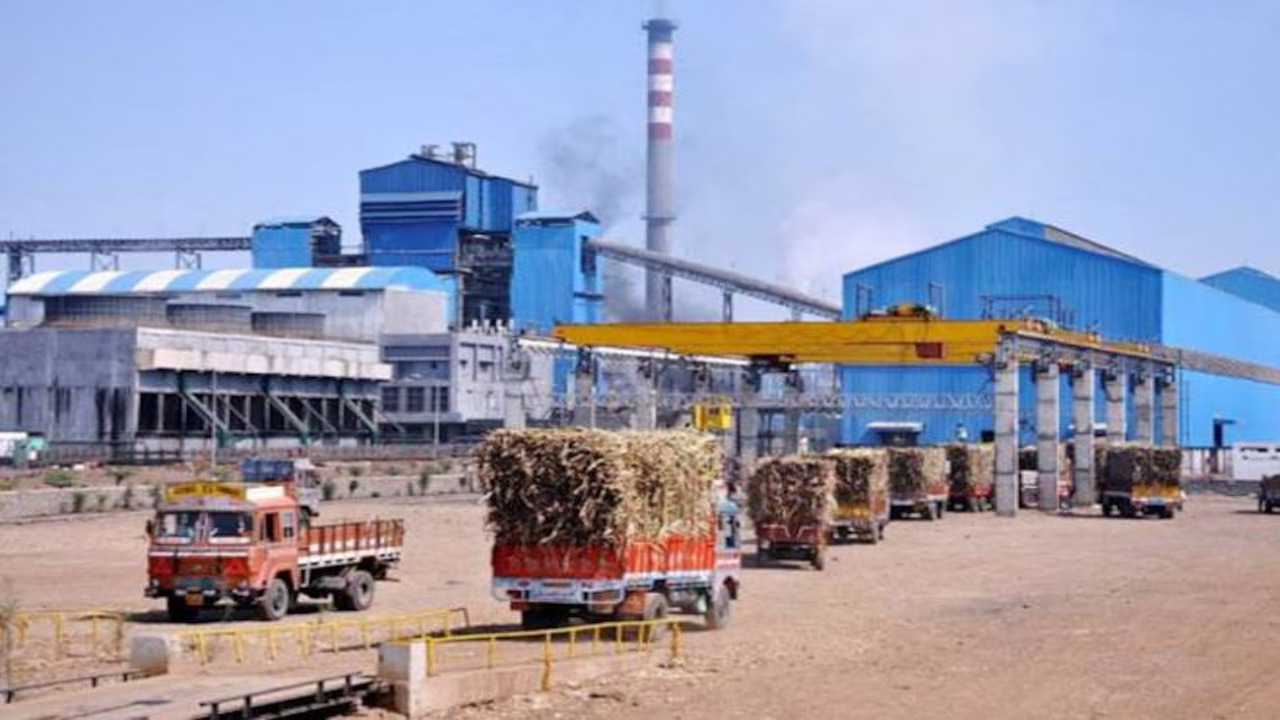
Sugarcane is known to be one of the oldest cultivated plants in tropical and subtropical countries. Sugar industries are increasing exponentially to satisfy the growing demand for sugar; whereas, the ethanol distilleries have been rapidly expanding, since bioethanol emerged as an affordable, low carbon footprint and renewable bioenergy.
SUGAR MILL PROCESS
SUGAR MILL EFFLUENT GENERATION
DISTILLERY UNIT EFFLUENT GENERATION
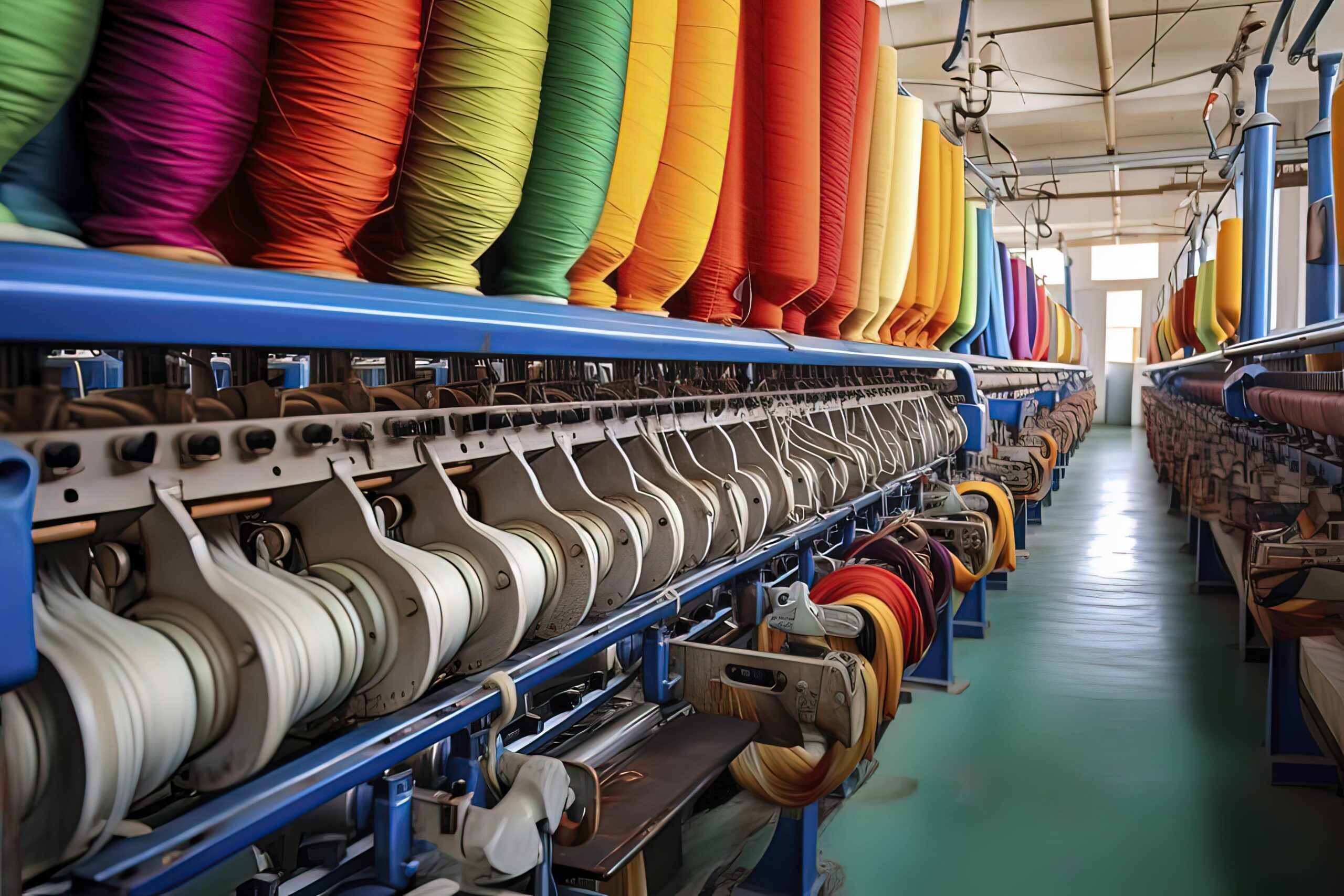
Cutting-edge textiles & dyes are responsible for one of the major environmental pollution problems in the world, because they release undesirable dye effluents. Textile wastewater contains dyes mixed with various contaminants at a variety of ranges. Therefore, environmental legislation commonly obligates textile factories to treat these effluents before discharge into the receiving watercourses.
TEXTILE & DYEING EFFLUENT – Range of Products
NANOZYME – BET – ETP – 7001
NANOZYME – BET – ETP – 7002
NANOZYME – BET – ETP – 7003

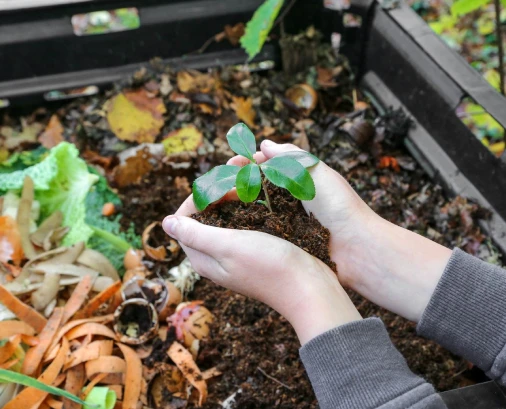
Composting of sugar mill press mud along with partially treated or completely treated distillery spent wash; activated through proper procedure along with microbial bioculture, produce valuable compost for sustainable agriculture. The spent wash based compost is beneficial to soil and crop and also provides the benefit of utilization of waste as a resource and proper management of the environment.
View MoreOur Trusted Clients
Complete Bioculture for All Types of ETP & STP Wastewater Treatment Leading Manufacturer & Global Supplier of High-Performance Nanozyme Bioculture Optimizing Treatment Efficiency. Reducing Sludge. Enhancing Compliance.
Read MoreBionics Enviro Tech - Copyright 2026. All rights reserved.